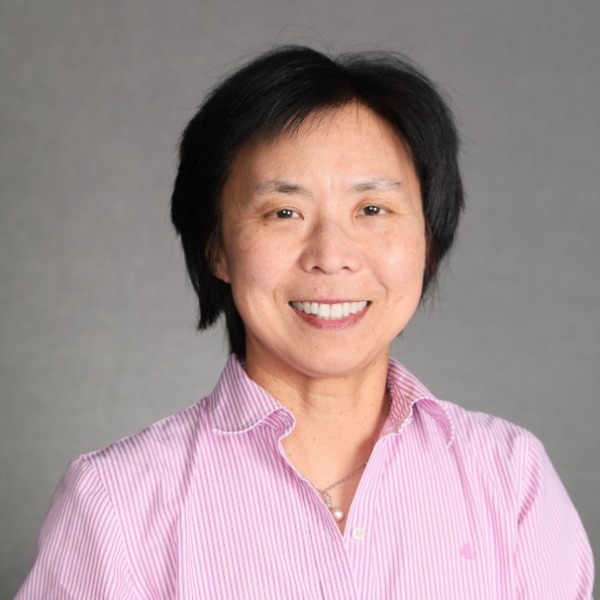
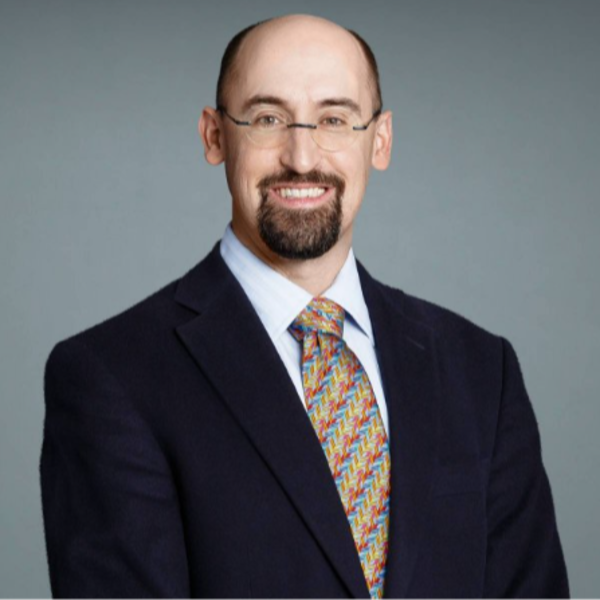
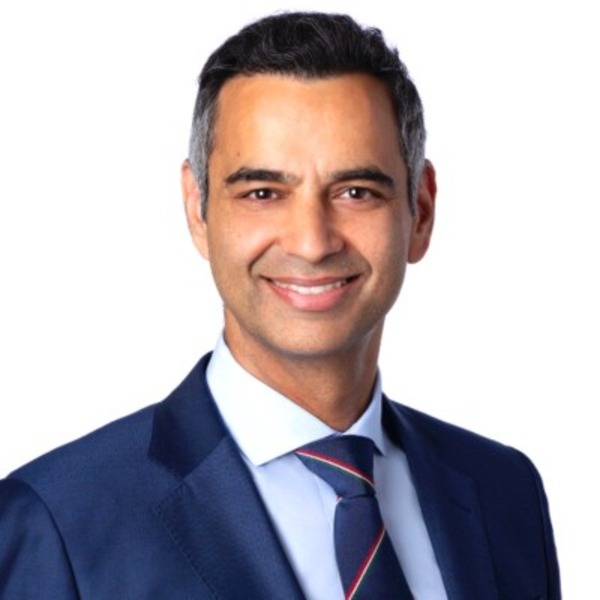
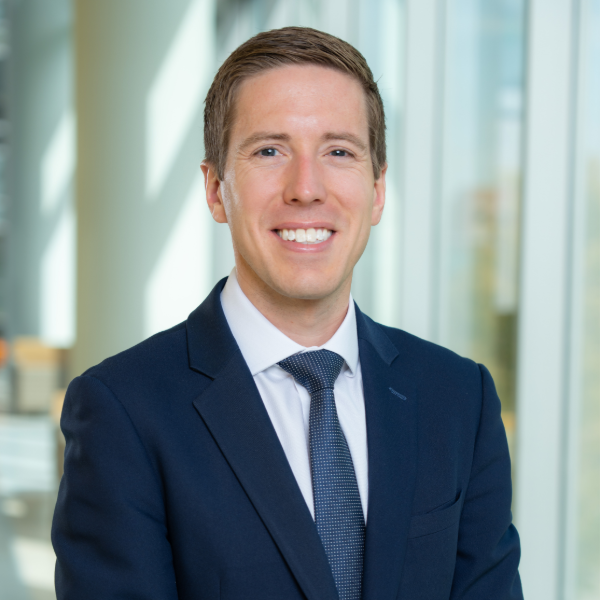
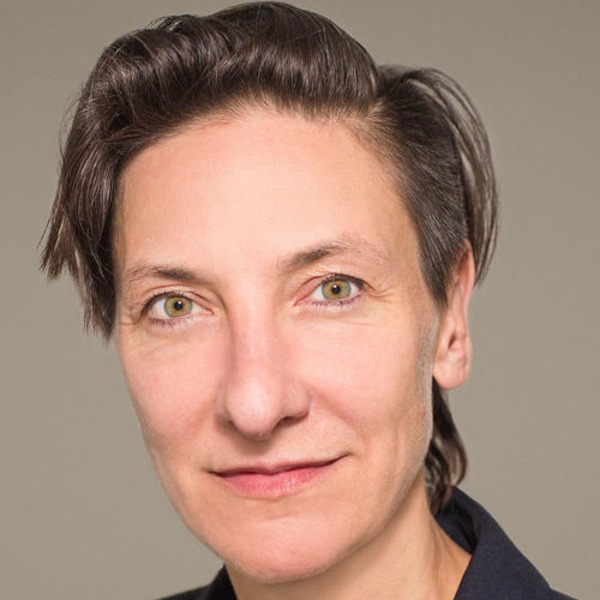
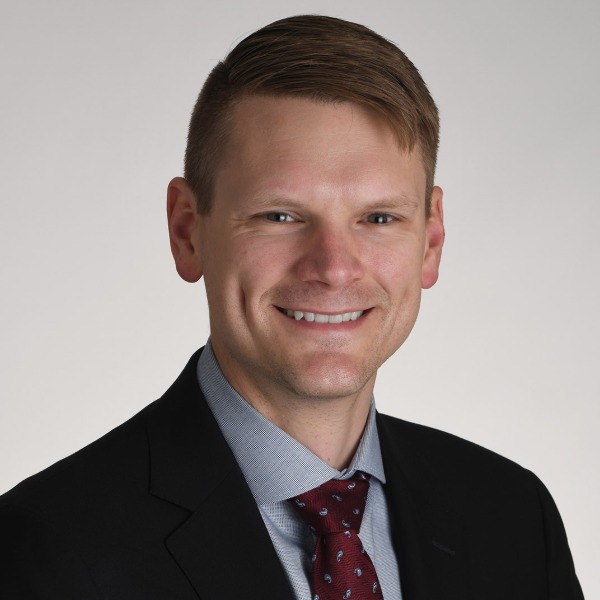
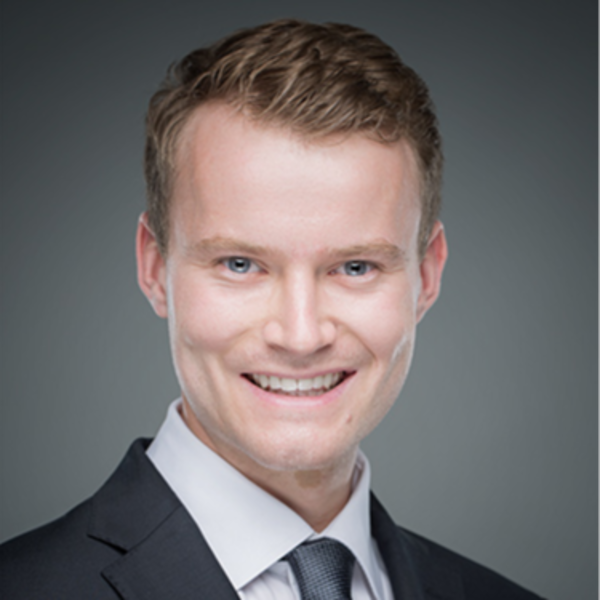
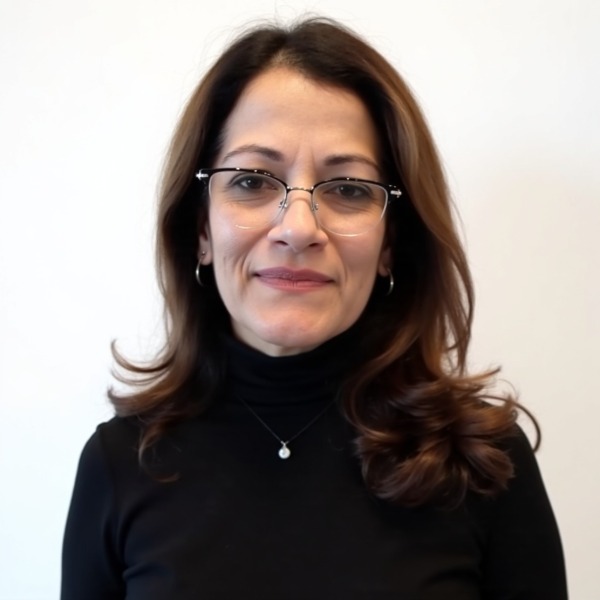
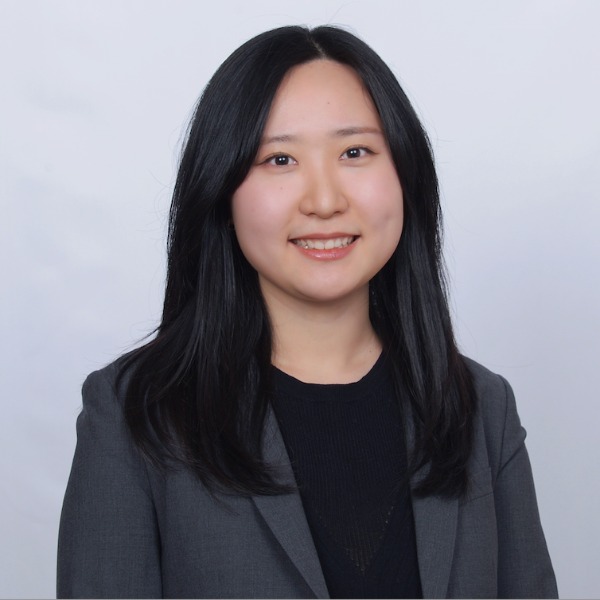
Linda Liu, MD
President, SOCCA
University of California, San Francisco, CA
|
It is a privilege to serve as President of the Society of Critical Care Anesthesiologists (SOCCA) during such an exciting time in medicine. Artificial intelligence (AI) is rapidly becoming part of our everyday work, from clinical decision support and documentation to research and predictive analytics. In critical care, many of us are already seeing the benefits. We can create a discharge summary with a single click, saving valuable time. Continue Reading...
|
Clinical Practice Committee Update
|
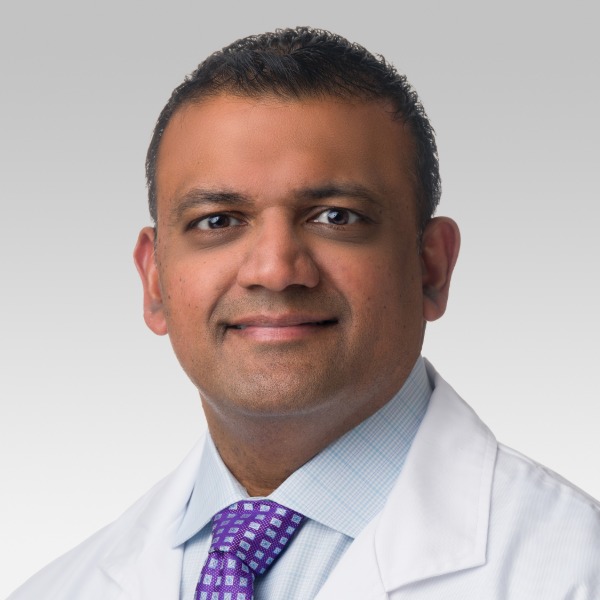
Alok Gupta, MD
Chair, SOCCA Clinical Practice Committee
Northwestern University, Chicago, IL
|
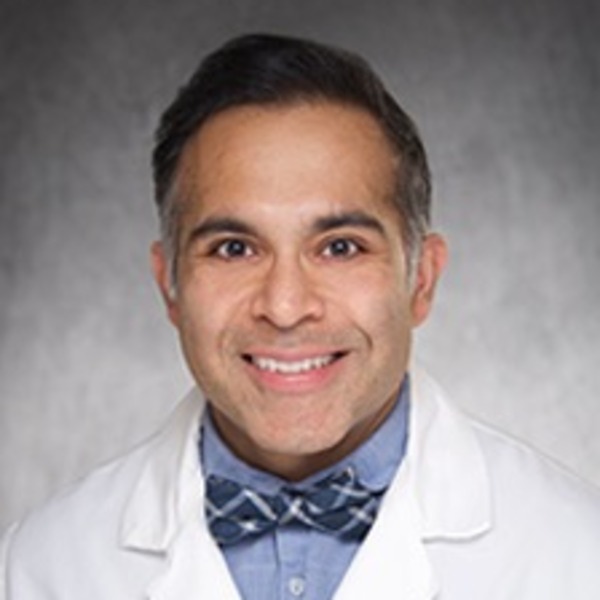
Lovkesh Arora, MD
Vice-Chair, SOCCA Clinical Practice Committee
University of Iowa, Iowa City, IA
|
The SOCCA Clinical Practice Committee (CPC) has continued to build momentum following a successful presence at the 2026 IARS Annual Meeting in Montreal. Highlights included the first-ever SOCCAsponsored ECMO Bootcamp, featuring hands-on ECMO cannulation and management simulation, as well as the Brain Death Determination simulation. This renewed engagement has also brought several transitions in subcommittee leadership. Across its subcommittees, the CPC continues to translate clinical expertise into practical education, collaborative scholarship, and resources that support SOCCA members in everyday critical care practice. Continue Reading...
|
Membership Committee Update
|
Christopher Choi, MD
Chair, SOCCA Membership Committee
UT Southwestern Medical Center, Dallas, TX
|
A big welcome to new members of the SOCCA membership committee!
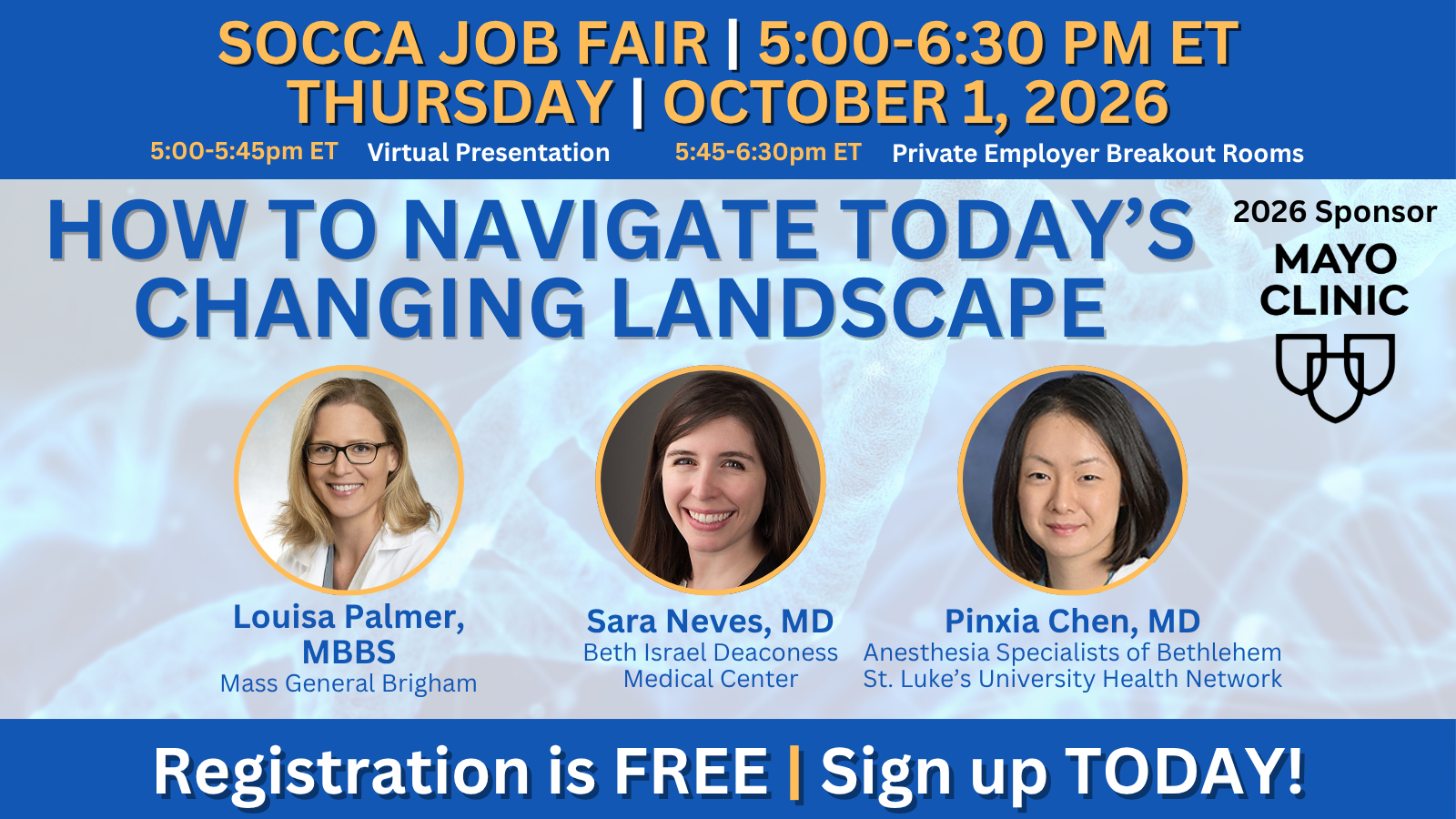
Committee members have been working hard to plan virtual get-togethers to provide career development and networking for SOCCA members. Many thanks to those who attended our recent webinar hosted by the ECI (Early Career Intensivists), PPP (Physicians in Private Practice) and WICC (Women In Critical Care) subcommittees. Stay tuned for our next event, the annual jobs fair, on October 1st at 5:00pm EST. Please reference the SOCCA calendar of events for more information about the remainder of the events this year. Continue Reading...
|
Nominations Committee Update
|
Mark E. Nunnally, MD, FCCM
Chair, SOCCA Nominations Committee
The University of Chicago, Chicago, IL
|
SOCCA is fortunate to have a growing and active membership. Service on our various committees is an excellent way to build experience and prepare for leadership roles in the Society. As we have every year, we will be setting a ballot for our Board of Directors. Continue Reading...
|
Research Committee Update
|
Shahzad Shaefi, MD, MPH
Chair, SOCCA Research Committee
Beth Israel Deaconess Medical Center, Boston, MA
|
David J. Douin, MD, MSC
Vice Chair, SOCCA Research Committee
University of Colorado Anschutz School of Medicine, Aurora, CO
|
The SOCCA Research Committee enters the third quarter of 2026 with strong momentum, and this issue’s theme — Artificial Intelligence and Technology in Critical Care — reflects one of the most consequential shifts happening in our field and globally. Across ICUs, AI-enabled tools are moving from proof-ofconcept to prospective validation, and our subcommittees have been active partners and leaders in that transition. Continue Reading...
|
Generative AI in Critical Care Education: Better Questions, Not Faster Answers
|
Laurent A. Del Angel Diaz, MD
Member, Education Committee
Cleveland Medical Center and Case Western Reserve University, Cleveland, OH
|
Avneep Aggarwal, MD, FASA, FCCM
Member, Education Committee
Cleveland Clinic, Cleveland, OH
|
Generative artificial intelligence (AI) has become part of how clinicians learn, organize information, and approach unfamiliar problems. Large language models (LLMs), the most familiar form, produce explanations, cases, and questions by predicting likely word sequences from patterns in their training data 1 . A recent scoping review identified medical education as one of the major areas in which LLMs are entering critical care 2 . The question for educators is no longer whether trainees will use these tools. It is how to help them use them well. Continue Reading...
|
Artificial Intelligence in Critical Care Education - Panacea or Pandora's Box?
|
Nazish K. Hashmi, MD, MBBS
Vice-Chair, Program Directors Advisory Council
Duke University Hospital, Durham, NC
|
Medical education is rapidly evolving alongside artificial intelligence (AI), often faster than educators can develop expertise in these technologies. Generative AI can synthesize information, reduce repetitive tasks, and support clinical decisionmaking. In critical care, where clinicians continuously integrate large volumes of rapidly changing physiologic and clinical data, these capabilities are particularly attractive. Yet the same technologies that may augment clinical performance could also alter how trainees develop the cognitive skills required to care for critically ill patients. Continue Reading...
|
Leveraging Technology to Support Global Critical Care
|
Nicholas Flores-Conner, MD
Member, Clinical Practice Committee
Emory University Hospital, Atlanta, GA
|
Vanessa Moll, MD, PhD
Member, Clinical Practice Committee
University of Minnesota, Minneapolis, MN
|
Ana Crawford, MD
Member, Clinical Practice Committee
Stanford University, Palo Alto, CA
|
Ananya Abate Shiferaw, MD
Member, Clinical Practice Committee
University of Botswana, Gaborone, Botswana
|
Critical care remains a privilege, not a right, for most of the world’s population. Low- and lower-middle-income countries (LLMICs) face severe shortages of timely, high-quality critical care.1 They bear a disproportionate burden of critical illness, experience substantially higher mortality and disability-adjusted life years (DALYs) lost compared to high-income countries (HICs). Continue Reading...
|
Tele Critical Care:
Using Technology to Reach More Patients
|
Bradley A. Fritz, MD, MSCI
Member, SOCCA
Washington University in St. Louis School of Medicine, St. Louis, MO
|
Every critically ill patient deserves treatment by an intensivist-led multidisciplinary team. However, intensivists tend to concentrate at large hospitals in densely populated urban areas, leaving patients in some smaller hospitals or geographically remote facilities without access to critical care. Previously, critically ill patients at these remote facilities required transfer to larger hospitals to receive care. These transfers removed patients from their familiar environments and support systems, placed a burden on families who wished to accompany their loved ones, and increased ICU demand at large hospitals where capacity is often tight. Continue Reading...
|
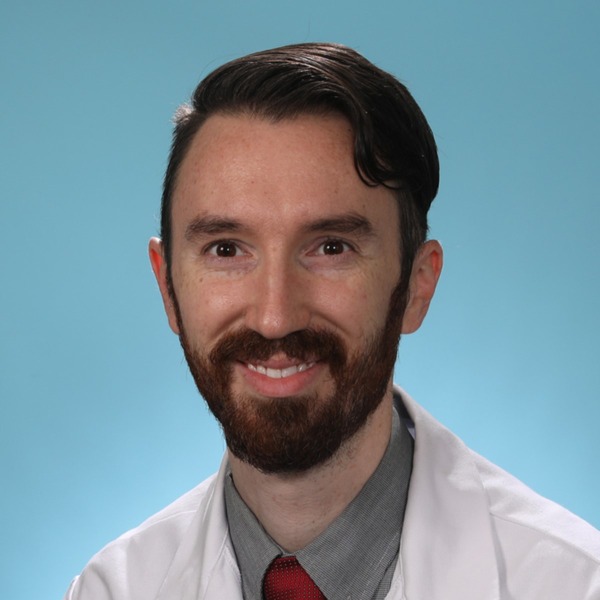
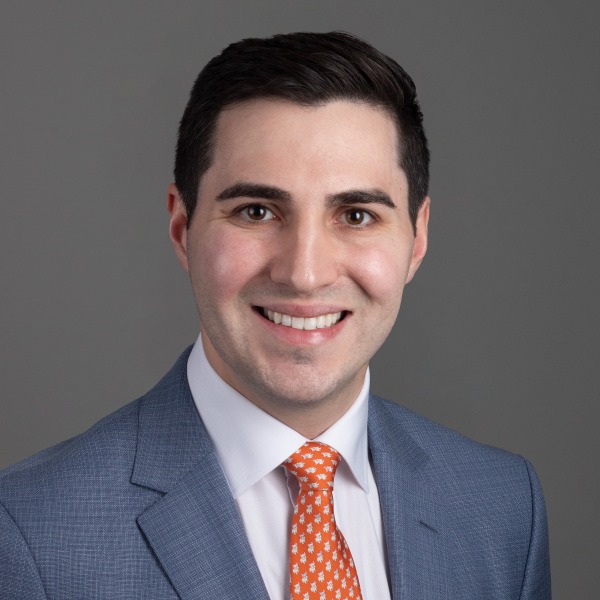
Alan Schurle, MD
Member, SOCCA
University of Kansas, Kansas City, KS
|
Like everyone else I talk to, I am not sure exactly how to use artificial intelligence (AI)-enhanced clinical resources. At 38 years old, I sit between some older, established clinicians who see generative AI as a threat to the development of scientific literacy, and younger trainees who routinely use AI for knowledge acquisition. Both positions have merit. AI is clearly a powerful tool for finding and summarizing data, but can be misleading, especially when lacking pre-existing content expertise. Continue Reading...
|
Artificial Intelligence (AI) in Critical Care:
A Double-Edged Sword?
|
Christopher Choi, MD
Chair, SOCCA Membership Committee
UT Southwestern Medical Center, Dallas, TX
|
Artificial intelligence (AI) has reshaped many functional work systems, and clinical medicine is no exception. It will likely have a major impact on clinical practice in the intensive care unit (ICU) because it can process large volumes of data and perform complex pattern analyses, which are essential in the critical care setting 1 . Specifically, AI may assist with clinical decision-making, predict patient patterns, and support documentation tasks. If an AI system is intended for a medical purpose, it qualifies as a medical device (MD); in the US, the FDA serves as the central approval authority for MDs. Continue Reading...
|
Social Vulnerability and Serious-Illness Communication in the ICU
|
Mark Hocevar, MD, MPH
Member, SOCCA
Harvard Medical School, Boston, MA
|
Luca Wachtendorf, MD
Member, SOCCA
Harvard Medical School, Boston, MA
|
Shahla Siddiqui, MD, MSc, FCCM
Member, SOCCA
Harvard Medical School, Boston, MA
|
Critical care teams often judge a family conversation by familiar signals: the patient or surrogate expresses confidence in the team, can reiterate the information provided, the encounter feels cordial, and a plan is documented. These are important signs, but they may not tell the whole story. A person may trust the ICU team and repeat what was discussed yet still need greater clarity, more time to process uncertainty, an interpreter, family support, or explicit permission to question a recommendation. Continue Reading...
|
Case Report: Diffuse Alveolar Hemorrhage Secondary to Lung Ischemia-Reperfusion Injury Following Cardiopulmonary Bypass
|
Hunjung Choi, PharmD
Member, SOCCA
University of Missouri, Columbia, MO
|
Kyle Bruns, DO
Member, SOCCA
University of Missouri, Columbia, MO
|
Lung ischemia-reperfusion injury (LIRI) is a rare but recognized complication following cardiopulmonary bypass (CPB), resulting from restoration of blood flow to previously ischemic pulmonary tissue. It commonly presents as pulmonary edema, hypoxemia, and variable degrees of parenchymal injury.1 We present a rare case of LIRI manifesting as diffuse alveolar hemorrhage (DAH) following CPB. Continue Reading...
|
SOCCA MEMBERSHIP
Membership in SOCCA is open to all anesthesiologists who have an interest in critical care medicine; non-anesthesiologist physicians and scientists who are active in teaching or research relating to critical care medicine; residents and fellows in approved anesthesiology programs; and full-time medical students in an accredited school of medicine.
Renew or join today at socca.org/socca-membership/
MEMBERSHIP BENEFITS
Exclusive Discounts
- Reduced registration for the SOCCA Annual Meeting
- Reduced registration fees for SOCCA educational offerings, including the Board Review Course
-
Discounted membership in the IARS, with full access to Anesthesia & Analgesia, A&A Practice, journal CME, and reduced IARS meeting registration
Professional Development & Education
- Access to SOCCA’s enduring educational content, including recorded webinars and e-learning tools
- Access to the ICU Resident’s Guide
- Free quarterly digital newsletter, Interchange, covering practice trends, ethics, and history in critical care
Participation in the SOCCA Mentoring Program
Leadership & Recognition
- Eligibility for member-only awards, scholarships, and research grants
- Opportunity to serve on SOCCA committees, with eligibility for leadership roles
- Eligibility to join the SOCCA Speakers Bureau
Community & Networking
- Connections with peer groups including Women in Critical Care, Early-Career Intensivists, and Physicians in Private Practice
|
SOCCA Interchange Needs You!
Interchange seeks to deliver timely, relevant, and high-quality content to SOCCA members. Contributions from members are not only welcome but essential to ensure that Interchange meets these goals. If you are interested in authoring content concerning clinical challenges, emerging research findings, member accomplishments, or anything of general interest to the membership, please reach out to the SOCCA Office.
|
SOCCA: The Society of Critical Care Anesthesiologists
Office: 414-363-9171 / Fax: 414-755-1346
6737 W Washington St / Ste 4270
Milwaukee, WI 53214
www.socca.org
|
|
|