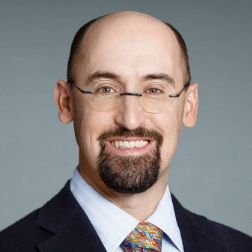
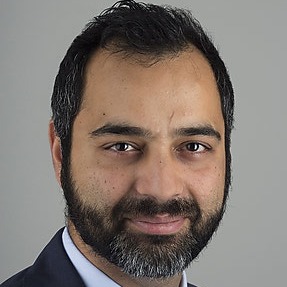
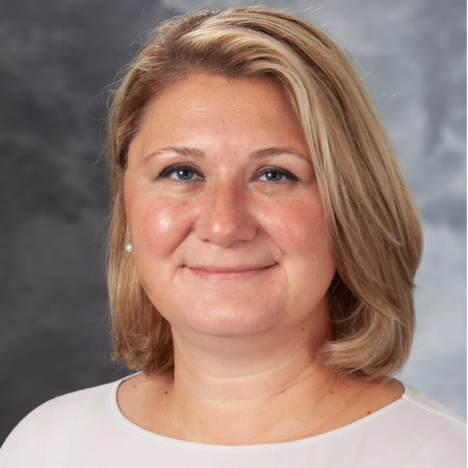
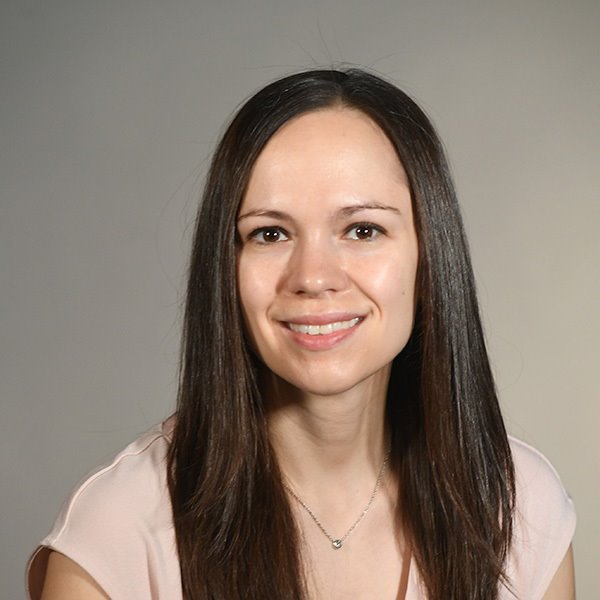
Mark E. Nunnally, MD, FCCM
President, SOCCA
The University of Chicago
Chicago, IL
|
Hello, SOCCA community!
Although we live in interesting times marked by extreme dialogue and divisiveness, we come together for things that matter. I feel that SOCCA is an organization that lets that happen. It is a place where we share ideas, build relationships, and grow as a community. We belong to its parts and its whole. We share this Society and its benefits. Continue Reading...
|
Membership Committee Update
|
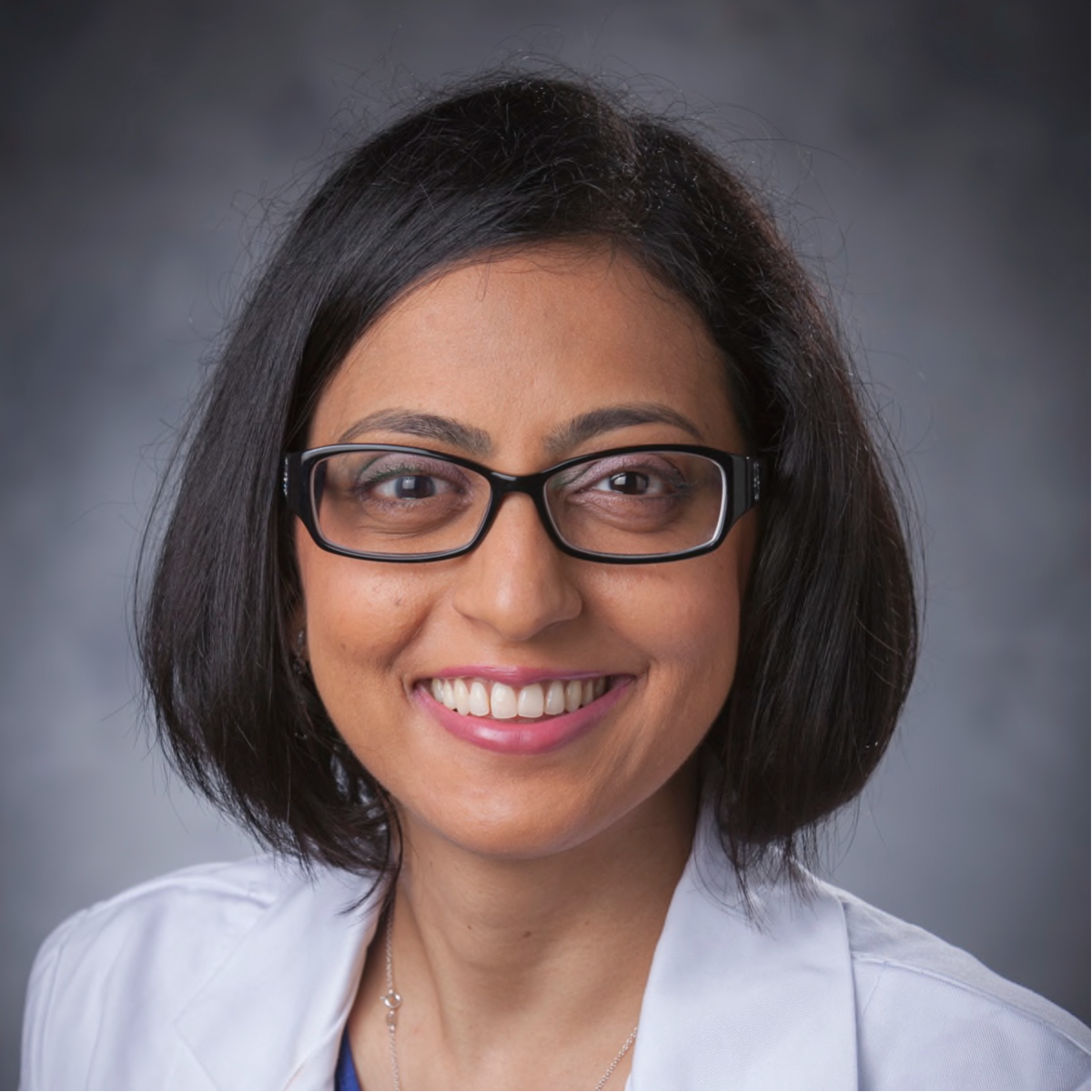
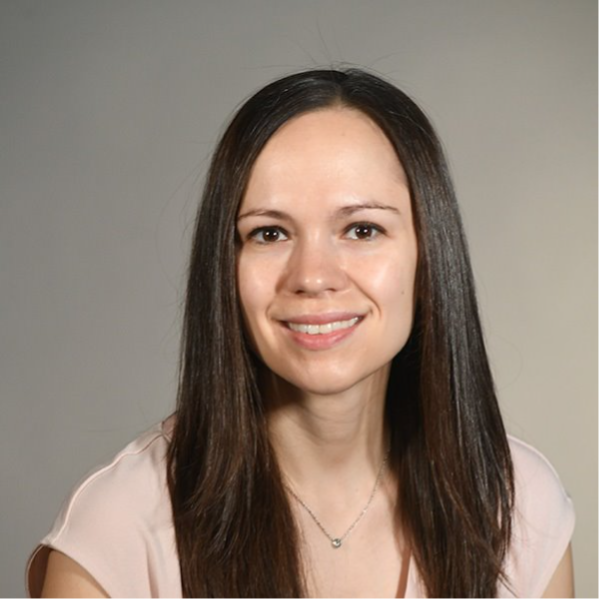
Alisha Sachdev, MD
Chair, SOCCA Membership Committee
Rush University
Chicago, IL
|
2026 is off to a busy start for the SOCCA membership committee!
Committee members have been working hard to plan virtual get togethers to accent the standing SOCCA educational content. This year, each membership meetup will be cohosted by two to three of our subcommittees. The first event was held on February 12, a fireside chat with Dr Brigid Flynn, sponsored by WICC and ECI. The event was well attended and the first of many to come this year! Please see the SOCCA calendar of events for more information about the remainder of the events this year. Continue Reading...
|
Research Committee Update
|
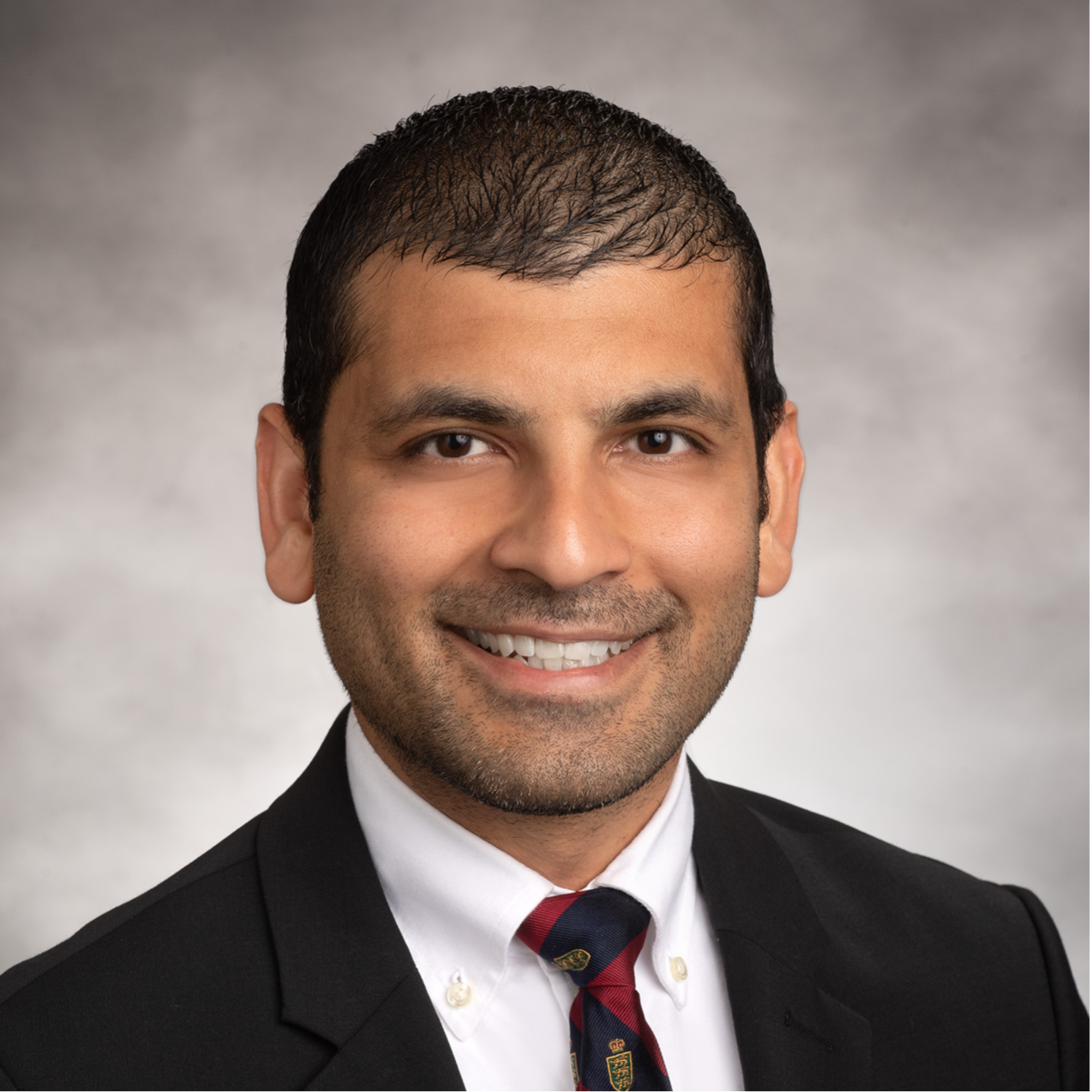
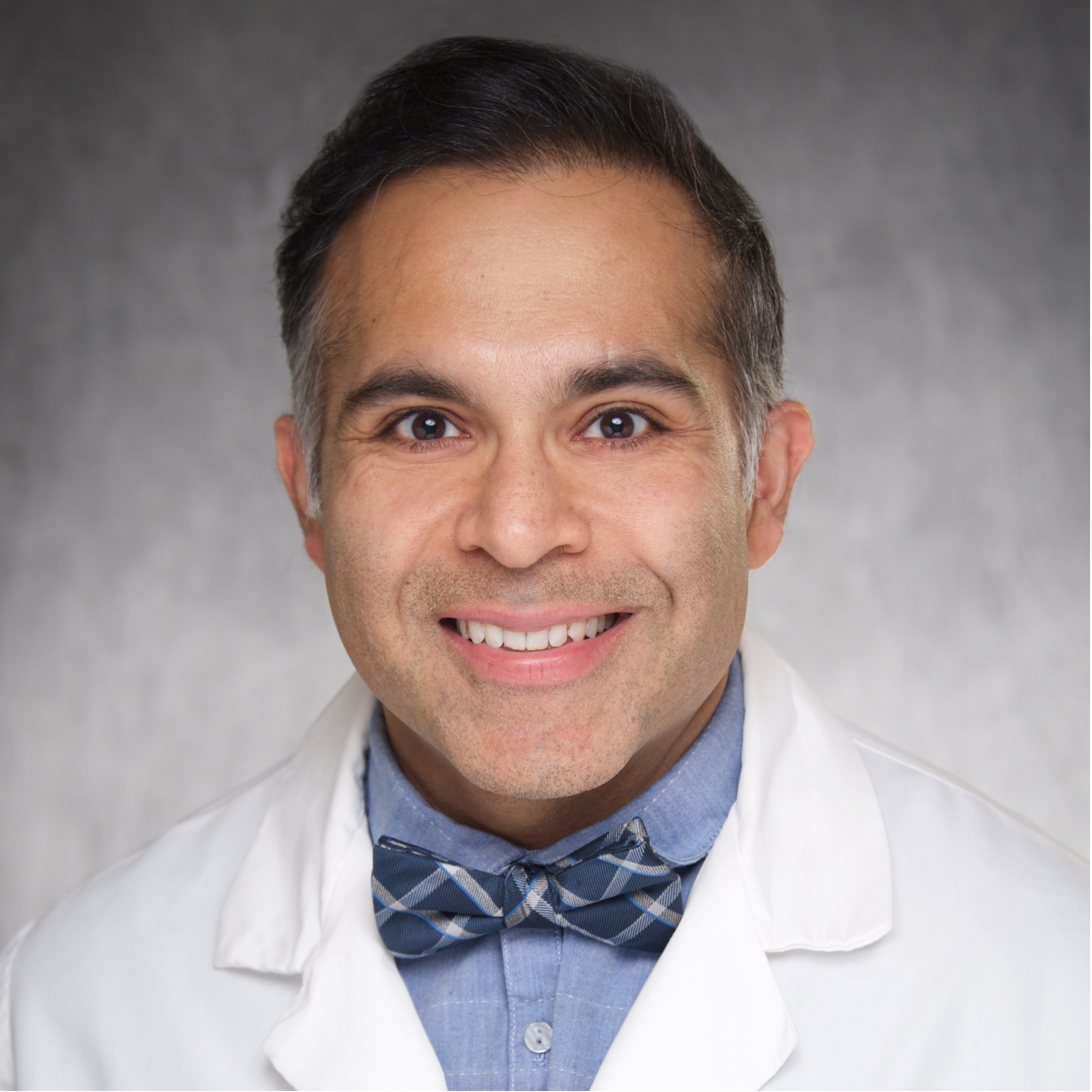
Shahzad Shaefi, MD, MPH
Chair, SOCCA Research Committee
Beth Israel Deaconess Medical Center
Boston, MA
|
The SOCCA Research Committee has had a productive first quarter in 2026, with continued progress across all subcommittees and several new initiatives underway.
Following Board approval in January, Dr. Josh Douin was appointed Vice Chair of the Research Committee, strengthening leadership capacity and supporting continued growth in committee activities. Continue Reading...
|
Clinical Practice Committee (CPC) Update
|
Gozde Demiralp, MD, FCCM
Chair, SOCCA Clinical Practice Committee
UW-Madison
Madison, WI
|
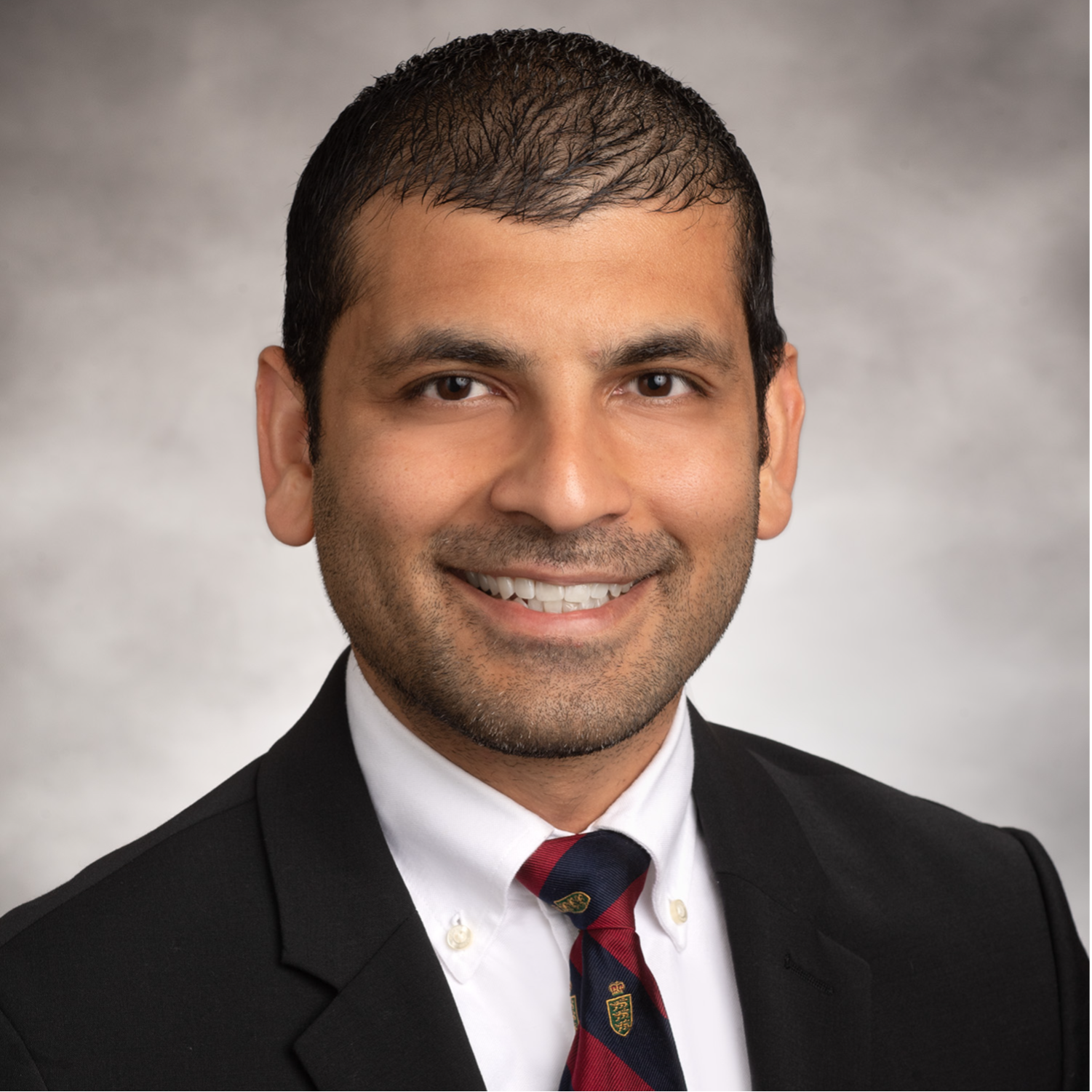
R. Alok Gupta, MD
Vice Chair, SOCCA Clinical Practice Committee
Northwestern University
Chicago, IL
|
The SOCCA Clinical Practice Committee (CPC) has had a strong start to 2026, with multiple collaborative initiatives, educational programming, and cross-society partnerships advancing across its workgroups. The committee continues to focus on clinical education, competency development, and expanding resources for anesthesiology critical care practitioners. Continue Reading...
|
Program Directors Advisory Council (PDAC) Update
|
Babar Fiza, MD
Chair, SOCCA Program Directors Advisory Council (PDAC)
Emory School of Medicine
Atlanta, GA
|
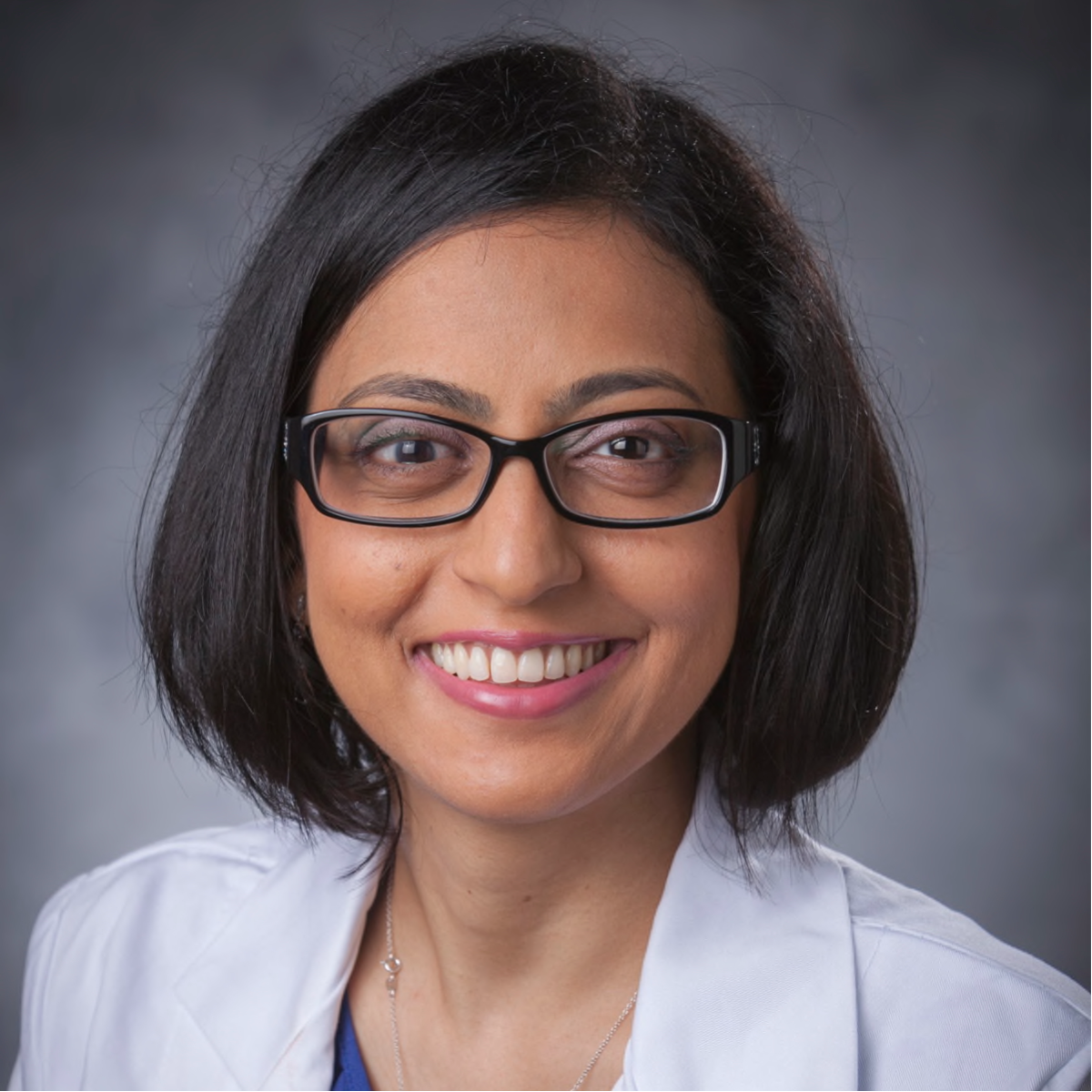
Nazish K Hashmi, MD, MBBS
WICC Member, SOCCA
Vice Chair, Program Directors Advisory Council (PDAC)
Duke University Hospital
Durham, NC
|
The Program Directors Advisory Council (PDAC) remains dedicated to advancing educational programming, refining fellowship recruitment processes, and supporting the establishment of national competency standards for anesthesiology critical care training programs.
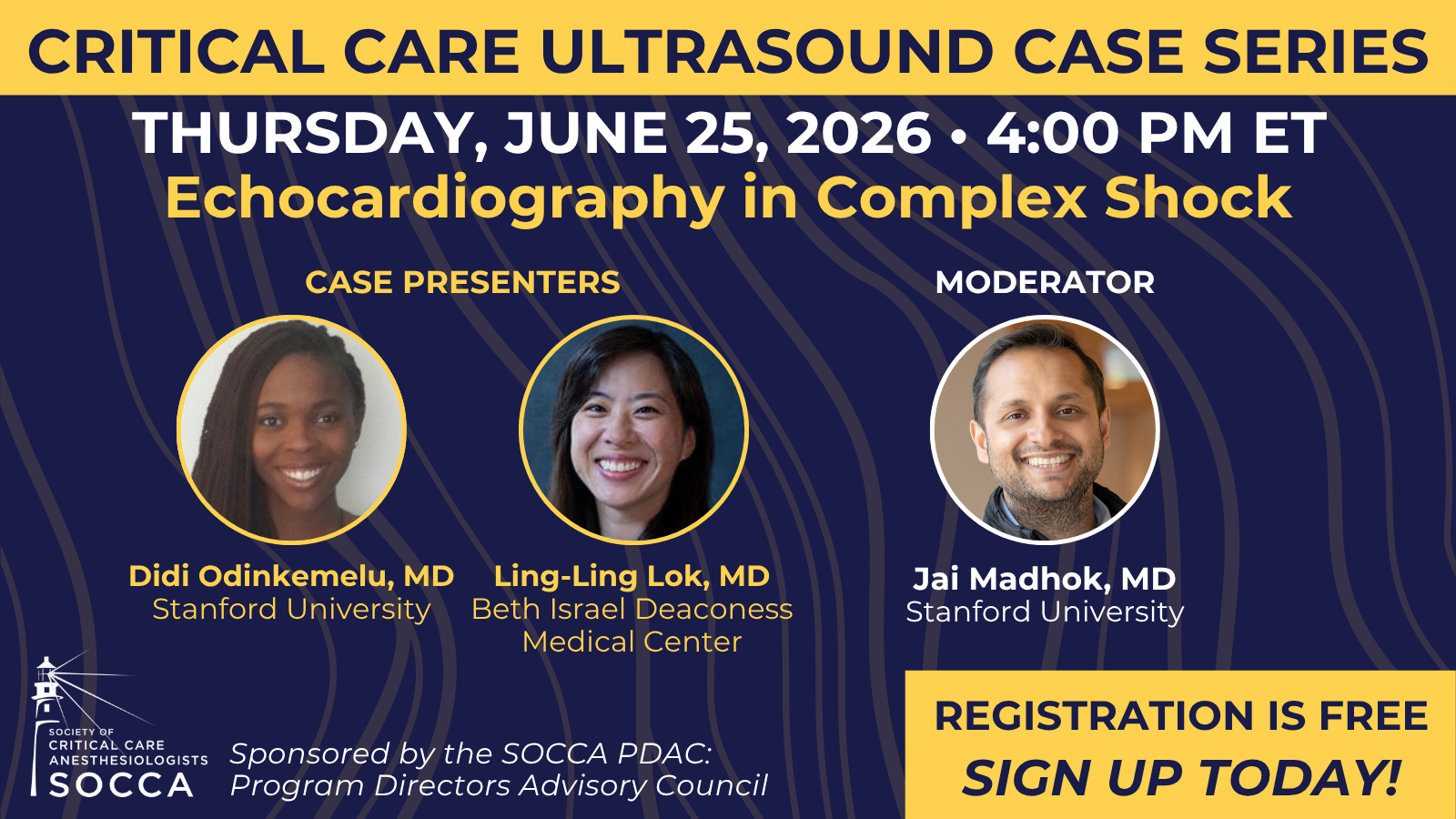
The PDAC Ultrasound Case Series remains a cornerstone initiative, with four sessions scheduled for March 19, May 14, August 20, and November 12, 2026. Continue Reading...
|
Bridging the Gap: Advancing ECMO Education Across Anesthesiology Critical Care Fellowships
|
Lauren Sutherland, MD
Member, CPC MCS Subcommittee
Columbia University Irving Medical Center
New York, NY
|
Lovkesh Arora, MD, FASA, E-AEC
Member, CPC MCS Subcommittee
University of Iowa Hospitals & Clinics
Iowa City, IA
|
Nazish K. Hashmi, MD, MBBS
Vice Chair, Program Directors Advisory Council
Duke University Hospital
Durham, NC
|
Babar Fiza, MD
Chair, Program Directors Advisory Council
Emory School of Medicine
Atlanta, GA
|
Over the past decade, extracorporeal membrane oxygenation (ECMO) and other forms of mechanical circulatory support (MCS) have transitioned from rare salvage therapies to essential components of advanced critical care. Since 2010, the use of adult ECMO in North America has grown more than threefold, with over 9,000 reported cases.1 This rapid expansion has reshaped expectations for critical care physicians, who increasingly manage patients supported by both temporary and durable MCS devices. Furthermore, over the past decade, Anesthesiology Critical Care Medicine (ACCM) physicians have expanded their expertise to include not only daily ECMO management but also patient selection, cannulation, weaning, and decannulation decisions — roles once primarily performed by cardiothoracic surgeons. Continue Reading...
|
Complex ECMO Configuration
|
Ahmed Zaky, MD, MSc, MPH, MBA, MSHQS, CMQ, FASA, FASE
Member, SOCCA
University of Alabama
Birmingham, AL
|
Extracorporeal membrane oxygenations (ECMO) is a form of mechanical support used for life-threatening refractory cardiorespiratory failure. ECMO may serve as a bridge to recovery, decision on long-term mechanical support, or transplantation. In patients with isolated respiratory failure a veno-venous ECMO, or VV ECMO, is the preferred modality. In patients with isolated cardiac or combined cardiorespiratory failure, veno-arterial, or VA ECMO, is typically employed. The ECMO circuit consists of a drainage cannula, a pump, an oxygenator, and a return cannula. At many centers, peripheral VA ECMO cannulation is preferred to central VA cannulation because of ease and rapidity of deployment. Continue Reading...
|
ECPELLA: Physiology, Configurations, and Evidence
|
Bhoumesh Patel, MD, MHS
Member, CPC MCS Subcommittee
Hackensack Meridian Health - Jersey Shore University Medical
Neptune, NJ
|
Karuna Puttur Rajkumar, MD, MBBS
Member, CPC Transplant Anesthesia Subcommittee
Wake Forest Baptist
Winston-Salem, NC
|
Lauren Sutherland, MD
Member, CPC MCS Subcommittee
Columbia University Irving Medical Center
New York, NY
|
Venoarterial extracorporeal membrane oxygenation (VA-ECMO) restores systemic perfusion by providing cardiorespiratory support to patients in cardiogenic shock. However, retrograde aortic flow increases left ventricular (LV) afterload, both with central and peripheral VA-ECMO, predisposing the injured ventricle to distention and impaired myocardial recovery and often leading to pulmonary edema and increased risk of LV or aortic thrombus formation. LV unloading reduces LV pressure and volume, improving coronary perfusion and decreasing myocardial oxygen demand. This can be done through use of the Impella® (Abiomed) percutaneous left ventricular heart pump, an intraaortic balloon pump (IABP), a direct left ventricular vent, or other methods. Use of Impella® with VA-ECMO forms the “ECPELLA” configuration. This article reviews the underlying pathophysiology of LV distention on VA-ECMO, common ECPELLA configurations, and the current evidence supporting this combined strategy. Continue Reading...
|
Early-Onset Intraoperative Anaphylaxis Requiring VA-ECMO
|
Adam Feigenbaum; Brooke Juszczak, MD; Steven McAfee, MD
|
Perioperative anaphylaxis (POA) occurs in up to 1 in 6,531 anesthetics and carries a higher risk of cardiovascular collapse and mortality than anaphylaxis in nonoperative settings [1]. Diagnosis is challenging due to simultaneous administration of multiple agents and limited visibility of cutaneous signs. Early recognition and prompt initiation of epinephrine and advanced circulatory support, including veno-arterial extracorporeal membrane oxygenation (VA-ECMO), may be lifesaving [2]. Continue Reading...
|
Two Hearts, One Lifeline: Mechanical Circulatory Support in Pregnancy
|
Ioannis (Yanni) Angelidis, MD, MSPH
Chair, SOCCA OB-CCM Task Force, Clinical Practice Committee Co-Chair SOCCA Annual Meeting Oversight Committee
University of Pittsburgh
Pittsburgh, PA
|
Mechanical circulatory support (MCS) in pregnancy is a rare but increasingly recognized intervention when maternal cardiogenic shock or cardiac arrest threatens both mother and fetus. Cardiovascular disease is the leading cause of maternal mortality in high-income settings, and the physiologic demands of pregnancy can unmask or exacerbate underlying cardiac conditions. In these situations, devices such as the intra-aortic balloon pump (IABP), Impella(™), left ventricular assist devices (LVADs), and extracorporeal membrane oxygenation (ECMO) provide temporary stabilization and can serve as bridges to recovery, delivery, and/or transplantation. Emerging evidence from obstetric populations underscores the importance of timely deployment and coordinated multidisciplinary care, including evolving strategies such as standby ECMO for high-risk scenarios. Continue Reading...
|
ECMO Billing and Financial Considerations:
Key Lessons
|
Lovkesh Arora, MD, FASA, E-AEC
Chair, SOCCA CPC MCS/ECMO/CTICU Workgroup
University of Iowa Hospitals & Clinics
Iowa City, IA
|
Suzanna Bennett, MD, FCCM
Secretary, Service Chief's Advisory Council
Member, CPC MCS Subcommittee
Member, CPC Transplant Anesthesia Subcommittee
University of Cincinnati College of Medicine
Cincinnati, OH
|
Extracorporeal membrane oxygenation (ECMO) remains one of the most resource-intensive yet life-saving therapies in critical care. While discussions often focus on outcomes and innovation, financial sustainability is equally essential to maintain program viability. As ECMO utilization expands, institutions must understand how outcomes, resource utilization, and reimbursement, cost structures, and patient mix interact to sustain both quality and access. Continue Reading...
|
SOCCA MEMBERSHIP
Membership in SOCCA is open to all anesthesiologists who have an interest in critical care medicine; non-anesthesiologist physicians and scientists who are active in teaching or research relating to critical care medicine; residents and fellows in approved anesthesiology programs; and full-time medical students in an accredited school of medicine.
Renew or join today at socca.org/socca-membership/
MEMBERSHIP BENEFITS
Exclusive Discounts
- Reduced registration for the SOCCA Annual Meeting
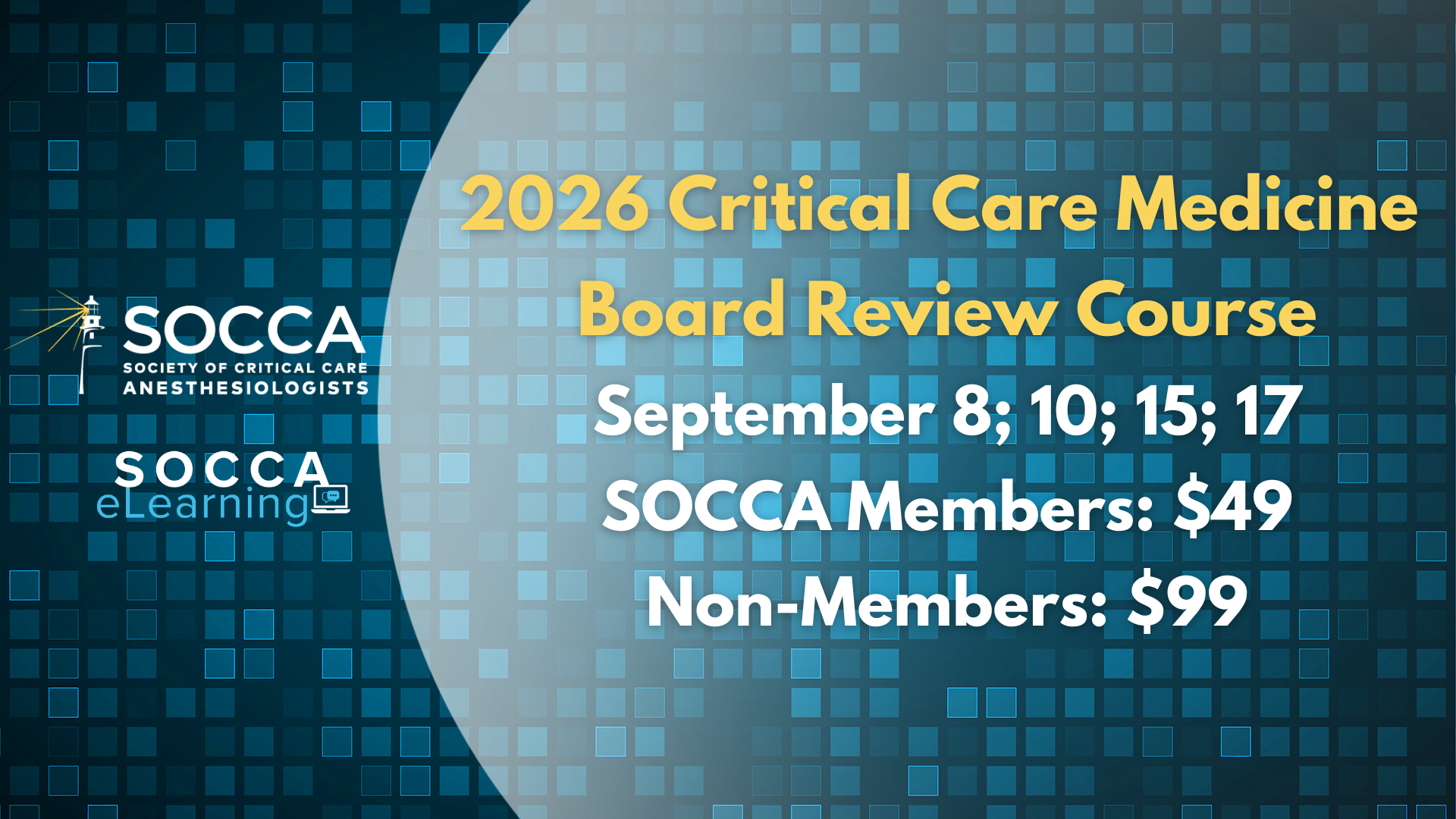
- Reduced registration fees for SOCCA educational offerings, including the Board Review Course
-
Discounted membership in the IARS, with full access to Anesthesia & Analgesia, A&A Practice, journal CME, and reduced IARS meeting registration
Professional Development & Education
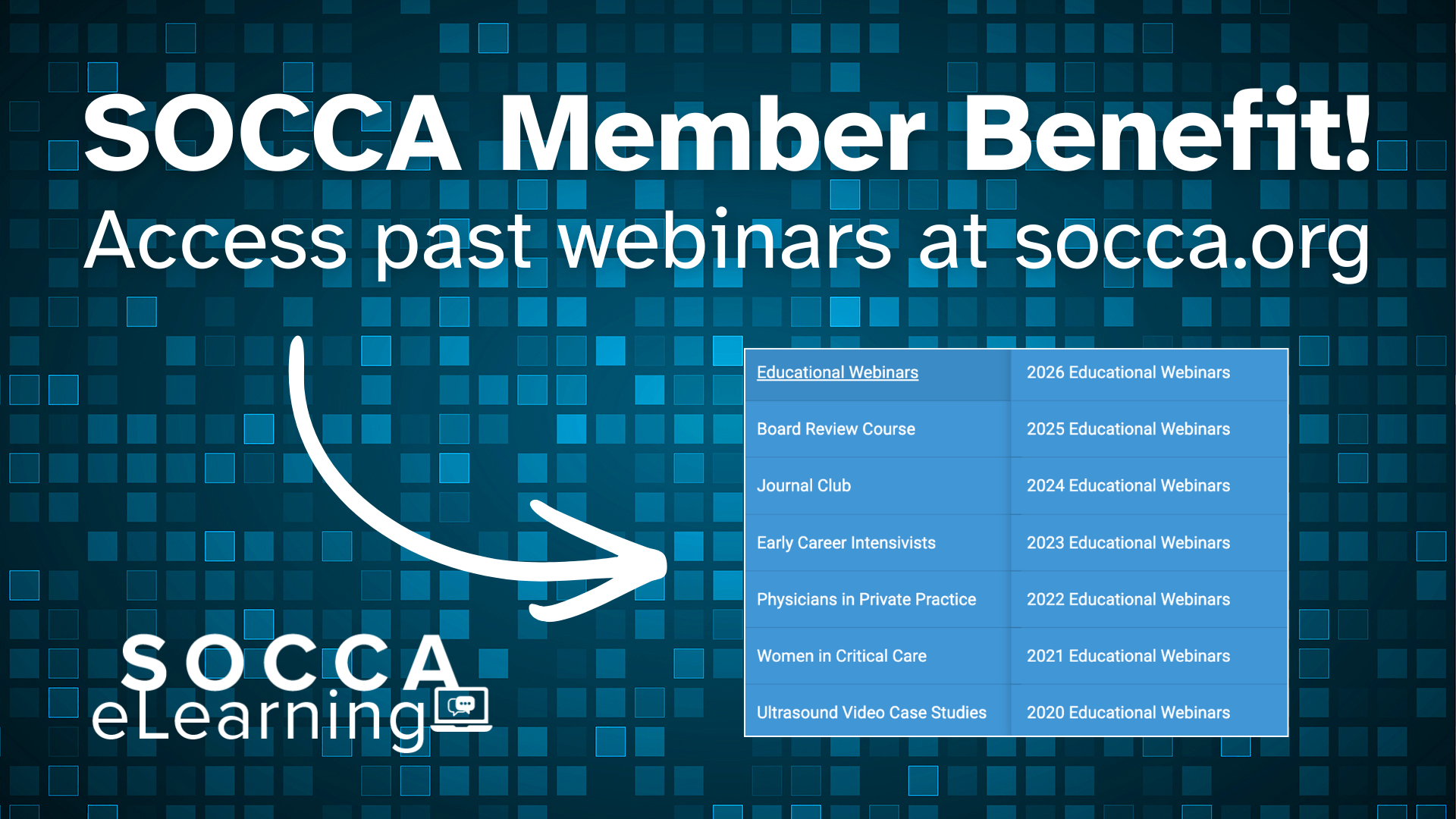
- Access to SOCCA’s enduring educational content, including recorded webinars and e-learning tools
- Access to the ICU Resident’s Guide
- Free quarterly digital newsletter, Interchange, covering practice trends, ethics, and history in critical care
Participation in the SOCCA Mentoring Program
Leadership & Recognition
- Eligibility for member-only awards, scholarships, and research grants
- Opportunity to serve on SOCCA committees, with eligibility for leadership roles
- Eligibility to join the SOCCA Speakers Bureau
Community & Networking
- Connections with peer groups including Women in Critical Care, Early-Career Intensivists, and Physicians in Private Practice
|
SOCCA Interchange Needs You!
Interchange seeks to deliver timely, relevant, and high-quality content to SOCCA members. Contributions from members are not only welcome but essential to ensure that Interchange meets these goals. If you are interested in authoring content concerning clinical challenges, emerging research findings, member accomplishments, or anything of general interest to the membership, please reach out to the SOCCA Office.
|
SOCCA: The Society of Critical Care Anesthesiologists
Office: 414-363-9171 / Fax: 414-755-1346
6737 W Washington St / Ste 4270
Milwaukee, WI 53214
www.socca.org
|
|
|